A floor plan looks simple enough at first glance. Just a bunch of boxes and lines, right? But there is so much information packed into those boxes and lines and if you know how to read them properly, you can spot problems before a single wall goes up or a single dollar gets spent. This …
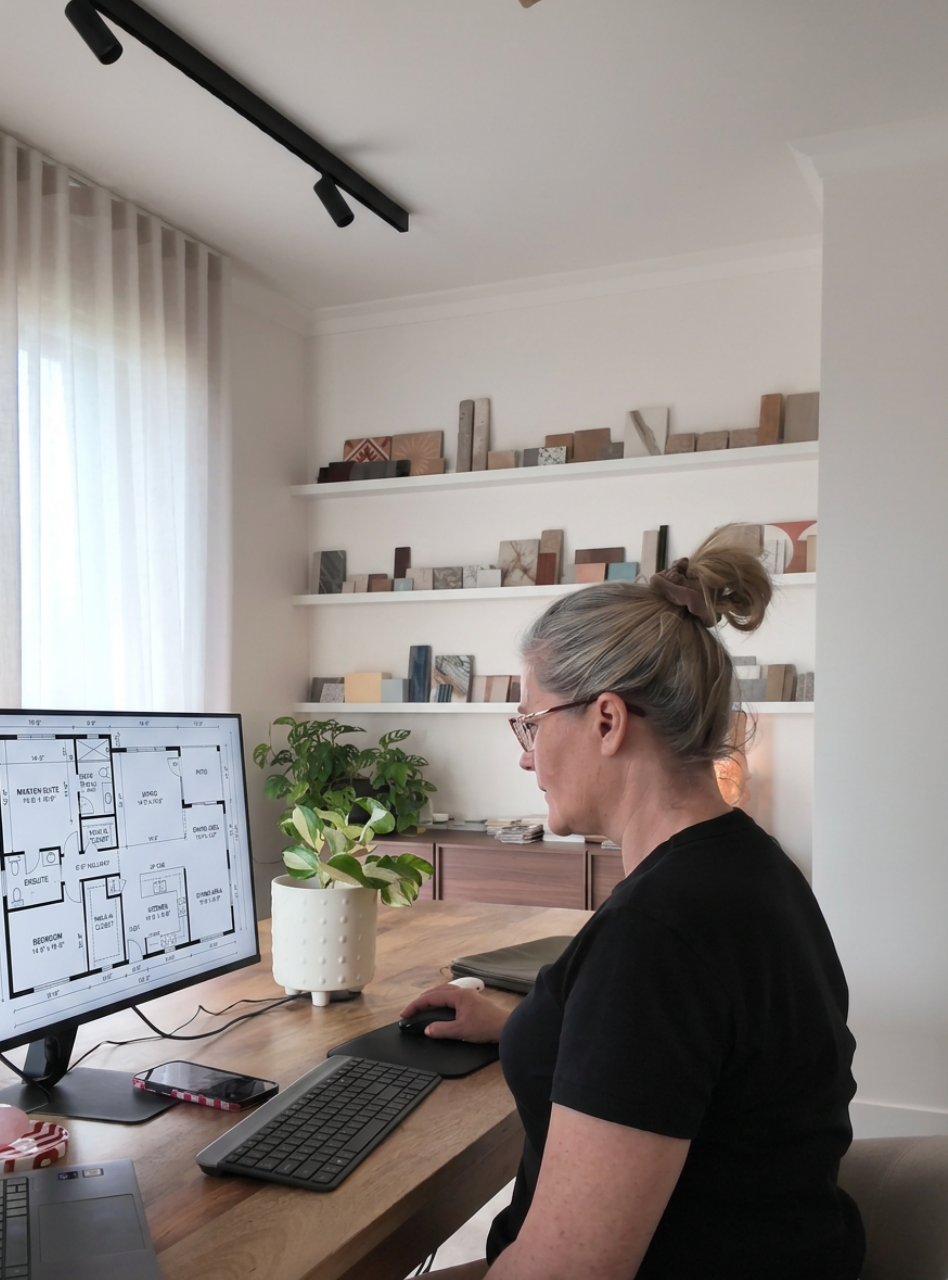
A floor plan looks simple enough at first glance. Just a bunch of boxes and lines, right? But there is so much information packed into those boxes and lines and if you know how to read them properly, you can spot problems before a single wall goes up or a single dollar gets spent.
This is one of those skills that genuinely saves people money and heartache. So let me walk you through what to look for.
Start with the basics
A floor plan is a bird’s eye view of a space, drawn to scale. The lines represent walls, the gaps represent doorways or openings, and the little arcs you see are doors showing which way they swing. Windows are usually shown as a thin break in a wall with a line or two across it. Once you can read those basic symbols you have the foundation you need to start analysing the layout properly.
Check the traffic flow
Traffic flow is the path people take as they move through a space and it is one of the first things I look at in any floor plan. A good layout should feel logical and easy to navigate. A bad one has you walking through one room to get to another, squeezing past furniture, or constantly doubling back on yourself.
Ask yourself these questions:
- Can you get from the front door to the kitchen without walking through a bedroom?
- Is the bathroom accessible without walking through someone else’s private space?
- Do the living areas connect to outdoor spaces in a way that makes sense for how you actually live?
- Are the bedroom doors positioned so they do not open onto each other or into a main living area?
If the answers to any of those feel awkward even on paper, they will feel even more awkward to live with.
Think about natural light
Look at where the windows are positioned and which direction the rooms face. You want your main living areas to get good natural light during the hours you actually use them. A kitchen that faces south and has one small window is going to feel dark and dreary no matter how beautifully it is fitted out. A bedroom that cops the afternoon western sun is going to be hot and uncomfortable in summer. If the floor plan shows you the orientation (and it often does) use that information. If it does not, ask. It matters more than most people realise.
Look at room proportions
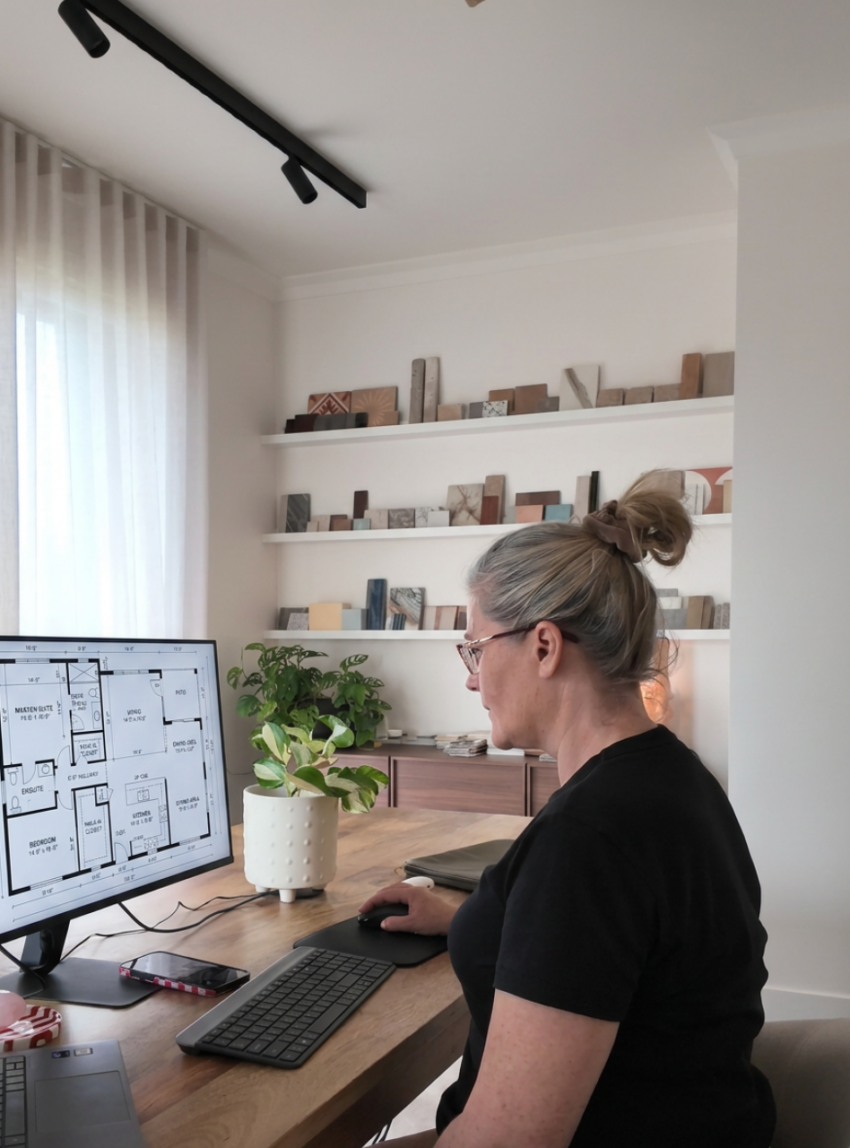
Room dimensions are usually noted on floor plans and this is where you can catch some really common problems before they become expensive ones. A room might look generous on paper but once you place furniture in it mentally, you start to see the issues.
- Can a king bed fit in the master with bedside tables on both sides and a clear walkway?
- Is there enough space in the dining area for a table that seats your family plus chairs that can actually be pulled out?
- Does the kitchen have a clear work triangle between the fridge, sink and stove without doors cutting across it?
- Are the hallways wide enough to feel comfortable rather than cramped?
Sketching in your furniture roughly to scale is one of the most useful things you can do at this stage. It does not need to be perfect. Even a rough sketch will tell you a lot.
Flag the things that feel off
Trust your gut when something feels wrong, because it usually is. A door positioned on the wrong wall. A bathroom with no natural light or ventilation. A laundry you have to walk through to get outside. A kitchen that is completely closed off from the living area. These things might seem small on paper but they will affect how much you enjoy your home every single day. The time to raise them is before you build or renovate, not after.
Not sure what you are looking at? That is exactly what my Floor Plan Review service is for.
I go through your plans with you and give you clear, practical feedback on what is working, what is not, and what you might want to change before it is too late to change it easily. It is one of the most valuable things you can do before a renovation or new build gets underway.