
The Australian Energy Efficient Home Guide
What your builder won’t tell you — before you spend a single dollar.
The plain-language guide to building a home that stays comfortable year-round, costs less to run, and doesn’t leave you with regrets.
Get Instant Access — $29Instant access · Read on any device
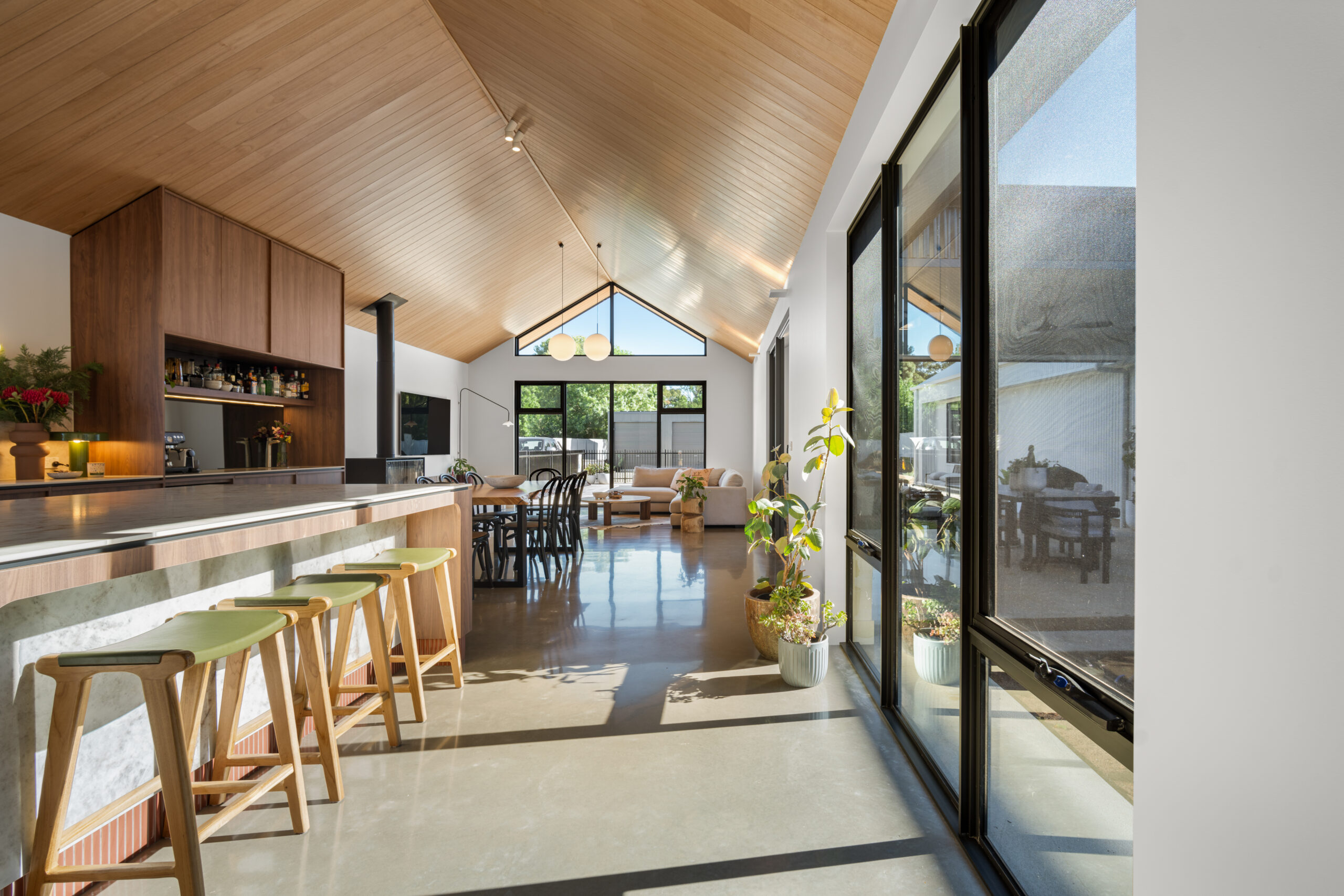
Most Australian homes are uncomfortable by design. Not by accident.
Rooms that roast in summer. Bedrooms that stay cold until midday in winter. An air conditioner that runs all day just to keep the house liveable. Energy bills that never seem to go down no matter what you do.
If that sounds familiar, it’s not bad luck. It’s what happens when a home is built to the minimum — minimum insulation, minimum glazing, minimum thought about how the sun moves across your block in July versus February.
And here’s the thing that’s genuinely frustrating: most of this is completely preventable. The design decisions that separate a comfortable, low-cost home from an expensive, uncomfortable one are not complicated or massively expensive. They just have to happen at the right time — which is before you sign anything.
Once the slab is poured, the orientation is locked in. Once the frame is up, the walls are decided. Once the windows are ordered, the glazing is set. The window to make these choices is short, and builders aren’t usually the ones who’ll flag it for you.
That’s what this guide is for.
I built an 8-star home in Wagga Wagga. Here’s what I learned.
I’m Katrina — an interior designer based in Wagga who also works full-time for a prefabricated modular building company focused on net-zero construction. I sit at the intersection of design and building every single day.
And when it came time to build my own home, I used everything I know to build one that actually performs. Not because I had an engineer’s budget. Not because it was easy. Because I asked the right questions at the right time, and I didn’t accept the standard answer when the standard answer wasn’t good enough.
Getting to 8 stars meant learning things most homeowners never hear about — airtightness, Pro Clima wraps, glazing U-values, slab systems, vapour membranes, and how to brief trades who’d never built to this standard before.
I live in that house now. I know what it feels like on a 42-degree Wagga summer day and on a winter morning when it’s been below zero overnight. And I can tell you — it’s a completely different experience from the homes most Australians build.
This guide is everything I learned, written in plain language, for people who are planning a build and want to get it right the first time.
Proof in the result
It’s not just a good idea. It’s an award-winning home.

Our home, built by Jamie Carroll Constructions, won FOUR awards at the 2026 HIA Riverina Housing Awards:
- Riverina Home of the Year
- Custom Built Home of the Year
- Custom Built Home $750,000 to $1 million
- GreenSmart Sustainable Home
We’re incredibly proud of this one. It was always about creating something beautiful to live in, while genuinely pushing the energy efficiency and sustainability side of the build too, so to have both recognised means a lot.
You can see our wins, along with all of the official 2026 HIA Riverina Award winners, on the HIA website.
This guide is for you if…
- You’re planning a new build and want it to actually perform — not just look good on the NatHERS certificate
- You’ve heard terms like passive design, thermal mass, or airtightness and want someone to explain them honestly, without the jargon
- You live in a regional area where summer is brutal and winter is colder than people expect — and the standard build advice just doesn’t cut it
- You want to walk into your first builder meeting knowing the questions to ask, so you don’t get sold the minimum and smile
- You’re renovating and want to understand what’s worth doing and what’s just an expensive marketing term
- You’re tired of conflicting advice and want to hear from someone who has actually built to this standard and lives in the result every day
What’s inside
9 chapters covering the full journey — from your first design decisions to living in a home that works every day.
Why this guide exists — and who it’s really for
The honest story behind the build, what the learning curve looked like, and why I wrote this instead of keeping it to myself.
What 8 stars actually means — and what it doesn’t
The NatHERS system explained simply, including the real-world difference between a 6, 7 and 8-star home — not in theory, but in what you feel on the worst days of summer and winter.
The design decisions that cost nothing but change everything
Orientation, zoning, cross-ventilation, window placement — the choices that are either made right in the design stage or locked in wrong forever. Most of them are free. None of them are obvious unless someone tells you.
The construction choices that make or break performance
Insulation systems, airtightness, Pro Clima wraps, double glazing — what actually matters, what’s worth the extra cost, and what builders will try to talk you out of if you don’t know why it matters.
Fixtures, fittings and systems that reduce your bills for decades
Heat pump hot water, all-electric appliances, solar planning and LED lighting — the selections that pay for themselves over time and how to choose them without being upsold on things you don’t need.
Materials that work harder and last longer
Finishes and materials that support sustainability, indoor air quality and long-term durability — including what I chose, why I chose it, and what I’d do differently.
Heating, cooling and ventilation in an all-electric home
How our house actually performs in Wagga’s extreme climate — 42-degree summers, sub-zero winter mornings — and what that means for your energy use and comfort day to day.
The real budget conversation — where to spend and where to pull back
Actual figures, honest trade-offs, how to find people who know what they’re doing, and the mistakes I’d avoid next time. The chapter I wish existed when I started.
What it actually feels like to live here
The bills, the silence, the temperatures, the seasons. What changed, what surprised me, and what I want for every family that builds a home after reading this.
Your starting point — questions, tools and the 10 things I’d tell my past self
The questions to ask your builder before you sign anything, the rebates worth knowing about, and the ten things I’d go back and tell myself before it all started.
Bonus — floor plan ideas and a sustainable building checklist
A simple, practical checklist you can take into every builder conversation to make sure nothing important gets missed.
Let’s be clear about what this is.
This is NOT
- A dry building code manual
- Generic sustainability advice that applies to everyone and no one
- A glossy coffee table book with pretty pictures and no substance
- Theory from someone who read about it
This IS
- A real account of a real build with real costs and real outcomes
- Written in plain language — no engineering degree required
- Specific to Australian climates, standards and building culture
- Written by someone who lives in the house she built
About Katrina
I’m an interior designer based in Wagga Wagga, working full-time for a prefabricated modular building company specialising in net-zero and sustainable construction. I’ve spent years helping people make better decisions about their homes — through design, renovating education, and working alongside builders, trades and certifiers every day.
This build was my chance to put everything I believe into practice. The 8-star home I built in Wagga is now my family’s home. I live in it. Everything in this guide comes from that real experience, not from a textbook.
Common questions
Is this relevant if I’m not in NSW?
Yes. The design principles, construction decisions, material choices and lived experience apply across all Australian climate zones and states. Some regulatory references mention BASIX (NSW) but everything else is nationally relevant.
Do I need to be actively building right now?
Not at all. If you’re in the planning stage, in the early design phase, or just starting to think about what you’d do differently, this is the right time to read it. The earlier you understand this, the more options you have.
Is this useful for renovators as well as new builds?
Yes. While the build story focuses on a new home, most chapters on insulation, airtightness, glazing, materials and energy systems apply directly to renovation projects — especially if you’re doing significant structural work.
If you’re building in the next two years, read this before your first builder meeting.
The decisions that determine whether your home is comfortable and affordable to run are made early. This guide gives you the knowledge to make them well.
Instant access after payment · Read on any device
Think about the last time you made a home decision without enough information. For $29, this is the one that helps you avoid the next one.