There's a conversation that doesn't happen nearly enough on building sites and in design meetings across Australia, and it's the one about energy efficiency. Not because people don't care, but because most of us don't realise that the decisions made early in a project, often before a single wall goes up or a tile gets …
There’s a conversation that doesn’t happen nearly enough on building sites and in design meetings across Australia, and it’s the one about energy efficiency. Not because people don’t care, but because most of us don’t realise that the decisions made early in a project, often before a single wall goes up or a tile gets chosen, are the ones that have the biggest impact on your power bills for decades to come.
Whether you’re building from scratch or giving an existing home a serious overhaul, here are four ways that thinking about energy efficiency from the start can put real money back in your pocket.
1. Get your orientation and layout right before you lock in the design
This one costs nothing extra to do, but it can save you thousands in heating and cooling bills over the life of your home. A well-oriented home works with the sun rather than against it, capturing warmth in winter through north-facing living spaces and blocking the harsh summer sun with eaves, pergolas, or smart window placement.
I’ve written about this before because it’s one of those things that genuinely blows people’s minds once they understand it — north-facing windows are essentially free heaters in winter. When orientation is an afterthought, you end up relying heavily on reverse cycle systems and fans to compensate, and that reliance adds up fast on your energy bills. Get this right at the design stage and your home does a lot of the heavy lifting for free.
2. Invest in insulation, glazing, and airtightness
The thermal envelope of your home, meaning the walls, roof, floor, windows, and doors, is what keeps the temperature stable inside regardless of what the weather is doing outside. Skimping here is one of the most common and costly mistakes people make.
Upgrading to double glazed windows, adding quality insulation to your ceiling and walls, and sealing gaps that allow draughts to sneak through might feel like upfront costs you could trim from the budget. But every dollar spent here reduces how hard your heating and cooling systems have to work, which means lower running costs every single month from the day you move in. If you want to go deeper on this one, I’ve covered why airtightness is the real secret to a comfortable and efficient home and it’s one of my most popular posts for good reason.
3. Choose your hot water and whole-home systems wisely
Hot water accounts for a significant chunk of the average Australian household’s energy use, somewhere around 20 to 30 percent. If you’re building or renovating, you have a real opportunity to choose systems that perform better and cost less to run long term.
Heat pump hot water systems, for example, use a fraction of the electricity of a traditional electric storage system, and when paired with solar panels they can run almost for free during daylight hours. I went with a whole-house Panasonic solution in my own build and the difference in running costs has been significant. You can read more about how that system works and why I chose it here. It’s one of those decisions that feels small in the context of a whole build or reno, but the savings are consistent and they compound over time.
4. Plan for solar and electrification from day one
Even if you’re not ready to install solar panels or an EV charger right now, designing your home so that adding them later is straightforward will save you a significant amount in retrofitting costs down the track.
This means thinking about roof pitch and direction, making sure your electrical capacity can handle future loads, and leaving conduit runs in the right places during construction. It also means avoiding some of the classic mistakes that lock you into higher running costs before you’ve even moved in. I’ve put together a whole post on the energy efficiency mistakes you simply cannot fix later when building or renovating, and it’s worth a read before you get too far into your project.
Homes that are built or renovated with electrification in mind are not only cheaper to run, they’re increasingly more attractive to buyers and renters as energy costs continue to rise.
—
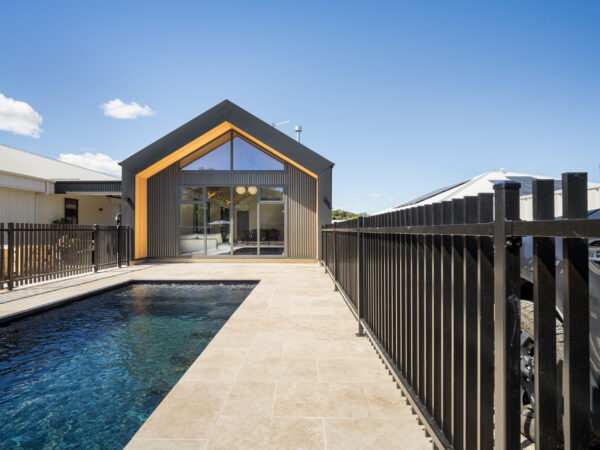
Energy efficiency isn’t just an environmental choice, it’s a financial one. And the earlier you bring it into the conversation on your project, the more options you have and the more money you save. I built my own 8-star energy rated home here in Wagga and the running costs compared to a standard home are genuinely eye-opening.
If you’re planning a new build or renovation and want to make sure you’re thinking about this stuff from the start, that’s exactly what I love helping clients work through. Take a look at how we can work together here.