Building a new home is exciting, but it is also where a lot of small decisions add up to big consequences later. Over the years I have noticed that many of the same design mistakes keep appearing in new builds. Often they happen because people are focused on finishes and styling, while the underlying design …
Building a new home is exciting, but it is also where a lot of small decisions add up to big consequences later.
Over the years I have noticed that many of the same design mistakes keep appearing in new builds. Often they happen because people are focused on finishes and styling, while the underlying design decisions get rushed.
The tricky part is that many of these things are very hard to change once the house is built.
Here are some of the most common ones I see.
Ignoring Orientation
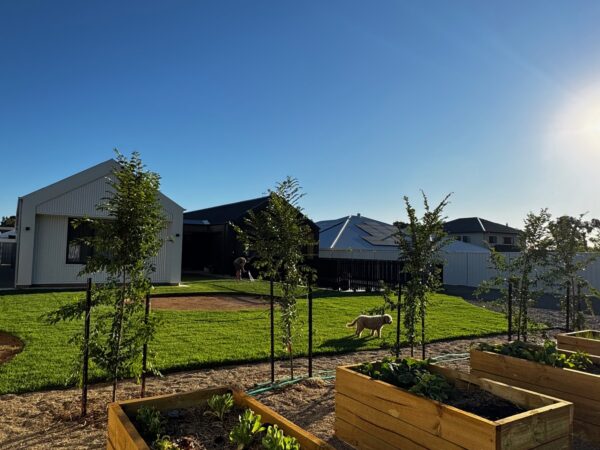
One of the biggest mistakes is not thinking about how the house sits on the block.
Orientation affects how sunlight moves through the home, which in turn affects comfort, heating and cooling.
If living areas face the wrong direction you can end up with spaces that feel dark in winter or overheat in summer.
Ideally, living areas benefit from north light, while strong west facing sun is managed carefully.
It sounds simple, but it makes a huge difference to how the house actually feels to live in.
Too Many West Facing Windows
West facing windows can look great on plans, especially if there is a view.
The problem is the afternoon sun.
It is low, strong and difficult to block. By the time it hits the house, the building has already warmed up during the day, so rooms can heat up very quickly.
This is one of the most common reasons homes feel uncomfortable in the late afternoon and evening.
If west windows are necessary, they usually need good shading, screens or landscaping to help manage the heat.
Not Planning Electrical Properly
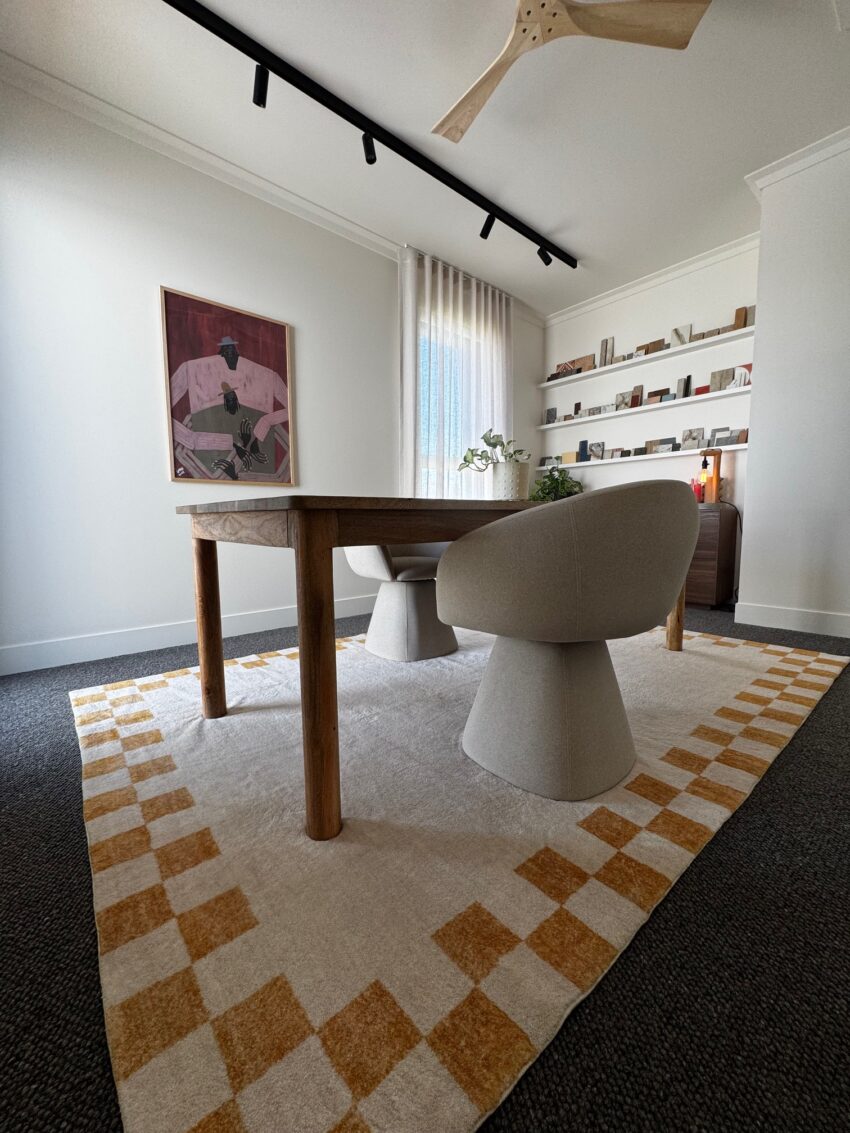
Electrical planning often gets left until late in the process, but it really deserves more thought.
Things like power points, lighting locations, and charging stations can make everyday living much easier.
Once the plaster is on the walls, moving these things becomes difficult and expensive.
A little extra planning here can improve how the house functions every day.
Underestimating Storage
Storage is another area that people often realise too late.
On a floor plan everything can look spacious, but once furniture and everyday items move in, storage becomes much more important.
Good storage planning might include:
• built in cabinetry
• linen cupboards in useful locations
• pantry space that actually works for your household
• wardrobes with practical layouts
Storage is not always the most exciting part of design, but it can make a home feel much calmer and easier to live in.
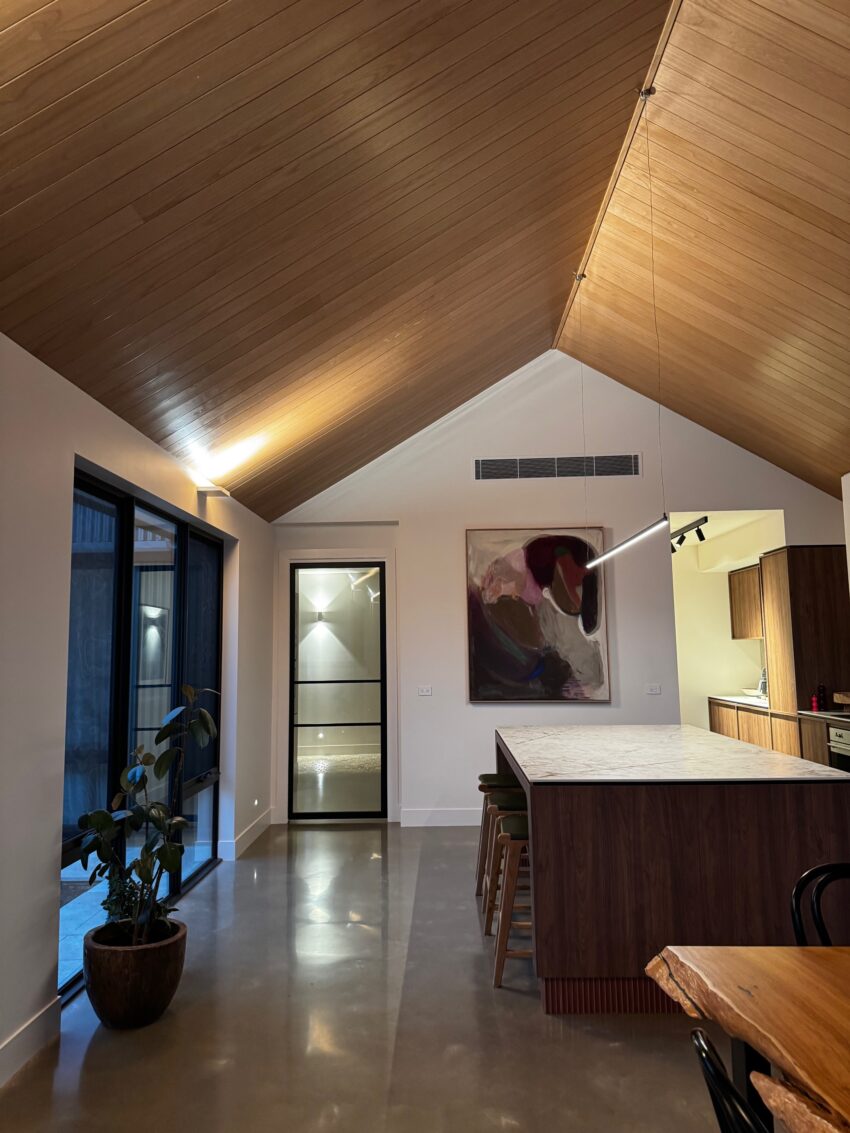
Forgetting About Airflow
Airflow is rarely talked about during the planning stage, yet it has a big impact on comfort.
Homes that allow air to move easily through the space tend to feel cooler and fresher during warmer months.
This often comes down to window placement and allowing breezes to travel across the layout.
When airflow is ignored, rooms can feel stuffy even when the weather outside is pleasant.
Designing Only for the Street
It is easy to focus heavily on the front facade of a home because that is what everyone sees first.
But the internal layout and how the home works day to day are far more important in the long run.
A beautiful facade will not fix a layout that does not suit the way you live.
It is worth prioritising the internal design first and then letting the exterior support that.
The Key Takeaway
Many of the biggest design mistakes in new homes are not about expensive finishes.
They are about planning decisions made early in the process.
Thinking about sunlight, airflow, storage and how the house will function day to day can make an enormous difference.
The good news is that most of these things do not require a bigger budget. They simply require a little more thought during the design stage.
Where to Spend Money When Building a House (And Where to Save)
When people start planning a new home, one of the biggest questions is where the budget should go.
Every build involves choices, and it is very easy to spend money on things that look impressive but do not really improve how the home performs or feels to live in.
Over time I have noticed that the best homes usually invest in the things you cannot easily change later, while saving on the things that can always be updated down the track.
Here are a few general principles that can help guide those decisions.
Spend on the Structure and Layout
The structure and layout of the home are incredibly important.
Once the house is built, changing these things is difficult and expensive.
That means it is worth spending time and effort getting the layout right from the beginning.
Things like:
• how the rooms connect
• how the house sits on the block
• how natural light moves through the spaces
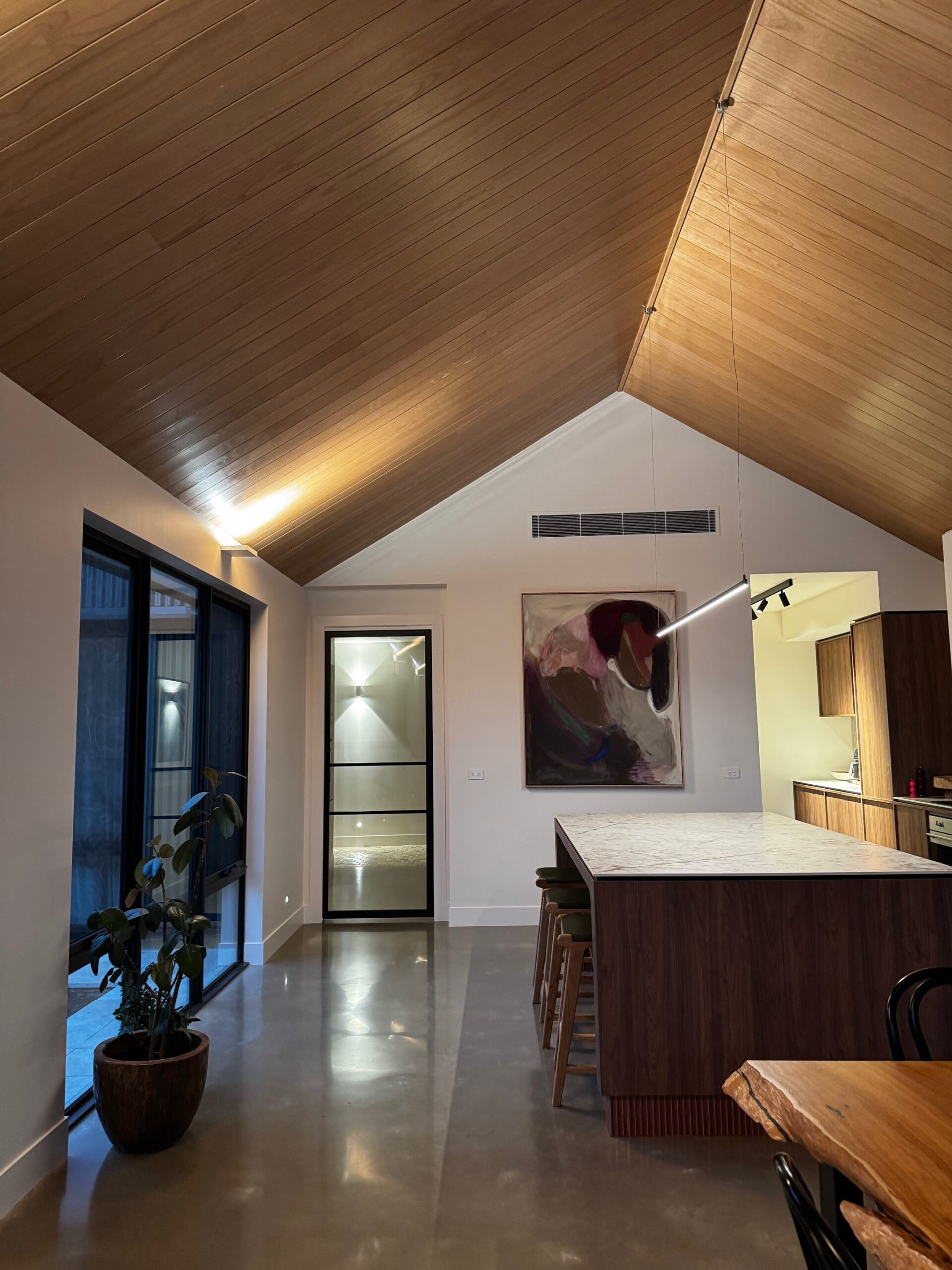
• ceiling heights and room proportions
These elements shape how the home feels every day.
Spend on Insulation and Windows
Good insulation and well performing windows play a major role in comfort.
They help regulate temperature and reduce the amount of heating and cooling needed throughout the year.
This is one of those areas where a little extra investment early on can lead to long term savings and a much more comfortable home.
Spend on Joinery That Gets Daily Use
Cabinetry and joinery are used every single day, so it makes sense to prioritise quality where it matters.
Kitchens, wardrobes and storage areas all benefit from thoughtful design and durable materials.
Good joinery can improve both functionality and how the space feels.
Save on Trend Based Finishes
Trends change quickly.
Things that feel very current today can look dated surprisingly fast.
That is why it can be sensible to avoid spending heavily on finishes that are purely decorative.
Elements like tapware, light fittings and even splashbacks can be updated later if tastes change.
Save on the Facade Upgrades
Facades often attract upgrades because they are the first thing people see.
But from a practical point of view, they rarely affect how the home performs or how comfortable it is inside.
Sometimes it makes more sense to keep the exterior simple and invest in areas that improve the living experience instead.
Save Where Changes Are Easy Later
A helpful rule of thumb is this.
If something can easily be replaced or updated later, it might not need the biggest part of the budget now.
Floor coverings, lighting and styling elements can all evolve over time.
But things like structure, insulation, orientation and layout are much harder to revisit once the house is complete.
The Bigger Picture
Building a home always involves balancing priorities.
By focusing spending on the elements that influence comfort, durability and everyday use, it is possible to create a home that feels good to live in long after the build is finished.
And sometimes the smartest choices are simply about investing in the parts of the house that will matter for decades.