You might have heard builders talk about a 6 star, 7 star, or even 8 star home, but a lot of people are not really sure what that actually means. It sounds impressive, but what does the number really represent, and does it actually make a difference to how your home feels to live in? …

You might have heard builders talk about a 6 star, 7 star, or even 8 star home, but a lot of people are not really sure what that actually means.
It sounds impressive, but what does the number really represent, and does it actually make a difference to how your home feels to live in?
Let’s break it down in simple terms.
What Is a NatHERS Rating?
In Australia, energy ratings for homes are measured using something called NatHERS, which stands for the Nationwide House Energy Rating Scheme.
It looks at how well a home performs in terms of heating and cooling.
The rating is measured from 0 to 10 stars.
The higher the number, the less heating and cooling energy the house should need to stay comfortable.
It is important to know that this rating is about the design and construction of the building itself, not the appliances inside it.
So things like solar panels, air conditioners and hot water systems are not what determine the star rating.
The rating is influenced by things like:
• orientation of the house
• insulation levels
• window placement and glazing
• shading and eaves
• the layout of the rooms
• how the building envelope performs
What Does a 6 Star Home Mean?
For many years in Australia, 6 stars has been the minimum energy rating required for new homes under the National Construction Code.
A 6 star home should be reasonably efficient, but it can still rely quite heavily on heating and cooling systems to stay comfortable.
Many homes built to the bare minimum can still have issues with overheating or cold rooms depending on the design.
What Does 7 or 8 Stars Mean?
As the rating increases, the home becomes more efficient at maintaining comfortable temperatures naturally.
A 7 star home generally performs noticeably better than a minimum standard home.
An 8 star home takes that further, meaning the building itself does a lot of the work to maintain comfort.
In practical terms this can mean:
• fewer temperature swings during the day
• cooler homes during hot weather
• warmer homes during winter
• less reliance on air conditioning and heating
This usually comes down to thoughtful design rather than expensive upgrades.

How Do Homes Achieve Higher Ratings?
Higher energy ratings usually come from a combination of design decisions.
Some of the most common factors include:
Good Orientation
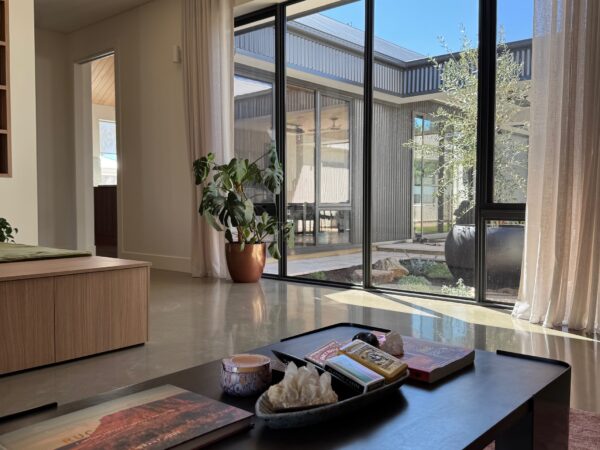
Positioning living areas toward the north so they can benefit from winter sun.
Shading
Using eaves, pergolas or other shading elements to block strong summer sun.
Quality Insulation
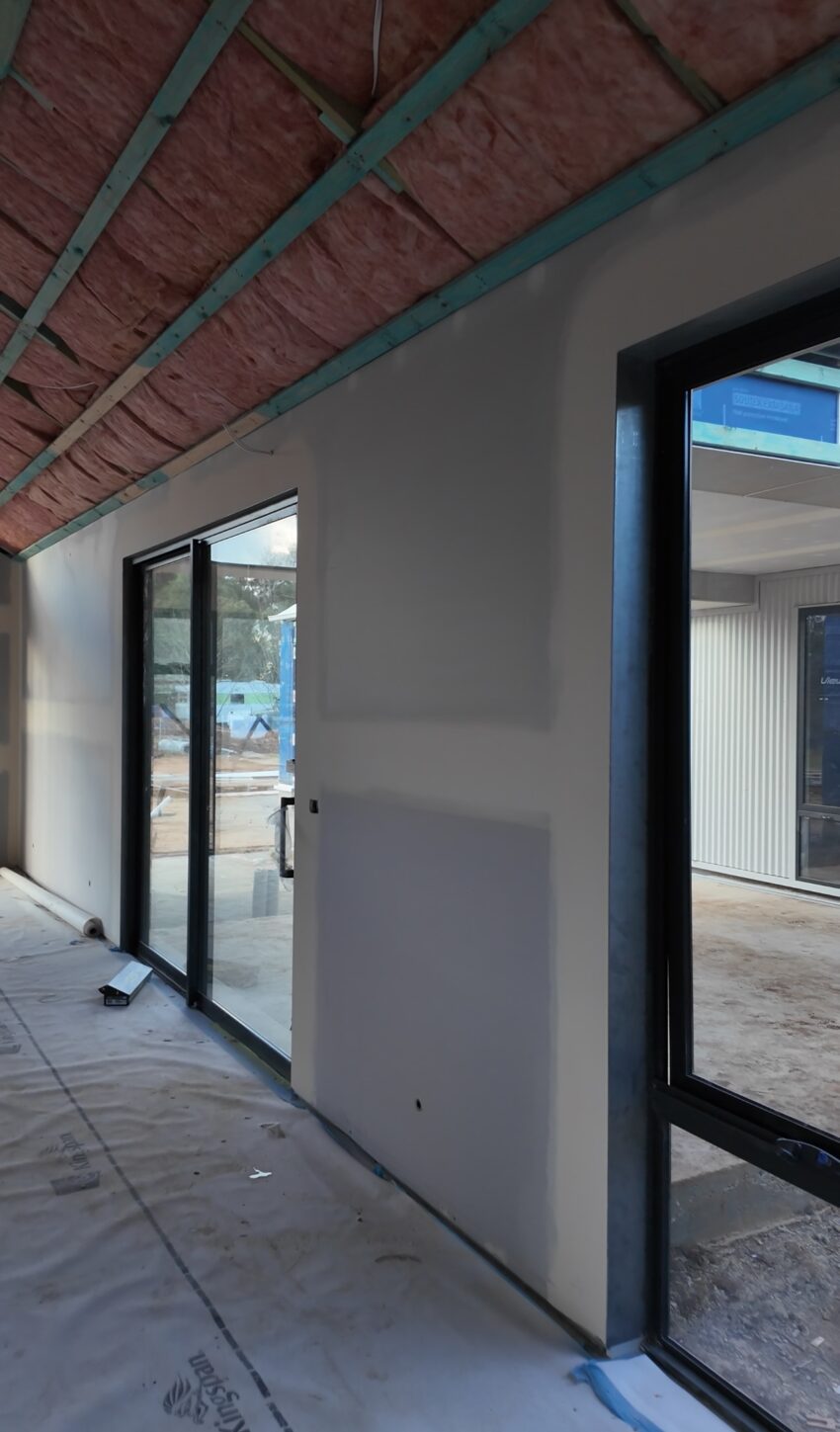
Well insulated ceilings, walls and sometimes floors to slow heat movement.
Thoughtful Window Design
Balancing natural light with heat gain and loss.
Airtightness
Reducing unwanted drafts so insulation can perform properly.
None of these things are particularly glamorous, but together they can make a big difference.
Why the Star Rating Actually Matters
The star rating is really about comfort and running costs.
Homes with higher ratings tend to:
• stay more comfortable throughout the day
• require less heating and cooling
• have lower energy bills
• perform better during extreme weather
It also means the home is working with the climate rather than constantly fighting against it.
A Quick Reality Check
One thing worth mentioning is that a high star rating is not just about adding expensive products.
In many cases, the biggest improvements come from good design choices early in the process.
Things like orientation, layout and shading can have a bigger impact than people realise.
That is why these decisions are best made right at the planning stage.
The Takeaway
An energy rating is essentially a way of measuring how well your home design handles the Australian climate.
The higher the rating, the less energy the home should need to stay comfortable.
But the real value is not the number itself.
It is the design thinking behind it.
When homes are designed with the sun, airflow and insulation in mind, they simply perform better, and they are far nicer places to live.