When people talk about building an energy efficient home, the conversation usually jumps straight to solar panels, fancy glass, or expensive upgrades. But the truth is, the biggest gains in comfort and efficiency usually come from simple design decisions made right at the start. Things like how the house sits on the block, where the …
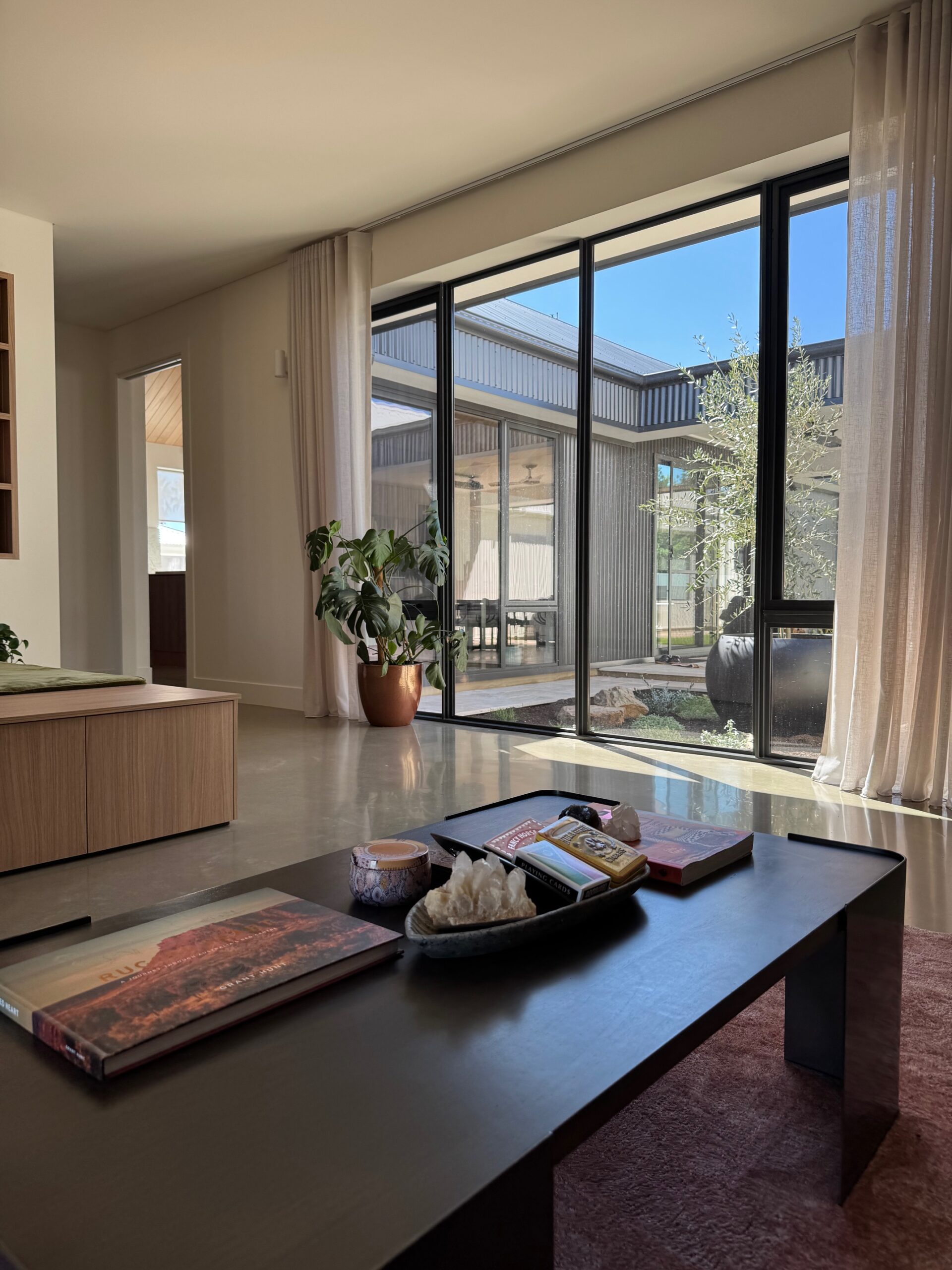
When people talk about building an energy efficient home, the conversation usually jumps straight to solar panels, fancy glass, or expensive upgrades.
But the truth is, the biggest gains in comfort and efficiency usually come from simple design decisions made right at the start.
Things like how the house sits on the block, where the windows go, and how the sun moves through the home during the day.
Get those things right and your house will naturally stay more comfortable. Get them wrong and you can spend years trying to fix it with air conditioning.
Here are the things that make the biggest difference.
Orientation Matters More Than Most People Realise
This is the one that surprises people the most.
When I walk through display homes, I often notice that no one is talking about how the house actually sits on the block. Everyone is looking at finishes, tiles, colours and facades.
But orientation has a huge impact on how a house feels to live in.
In most parts of Australia, you want living areas facing north if possible. That allows winter sun to come into the home and gently warm the space during the day.
At the same time, large west facing windows can cause real problems. The afternoon sun is low, strong and hard to block, which means rooms heat up quickly just when the house is already warm.
It is one of the most common overheating issues I see in new builds.
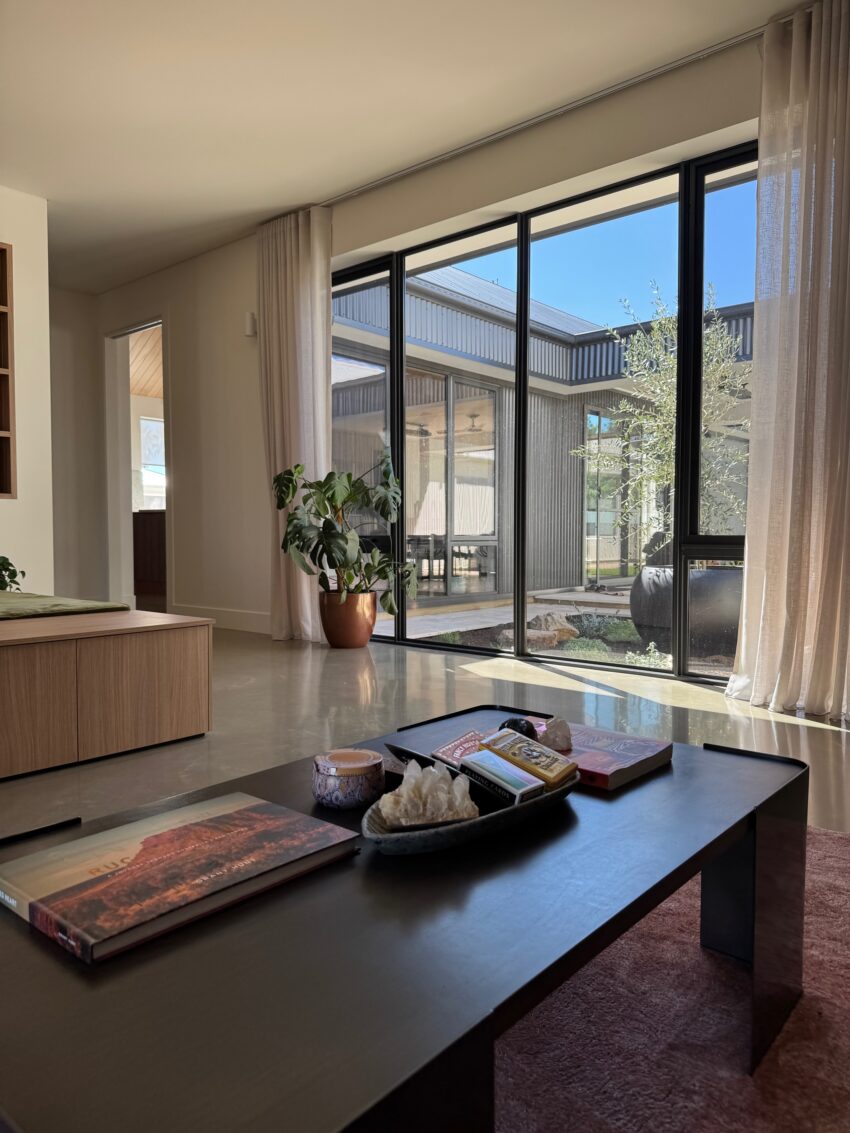
Shading Is Your Best Friend
Good shading can make an enormous difference to comfort.
Well designed eaves or shade structures allow the winter sun to come inside, but block the higher summer sun.
That means your house naturally stays cooler when you need it to.
Some simple ways to improve shading include:
• properly sized eaves
• pergolas or outdoor structures
• external blinds
• trees and landscaping that provide summer shade
A lot of modern facades have very minimal eaves because it looks clean and sharp. But from a comfort point of view, shading is incredibly valuable.
Window Placement Is More Important Than Window Size
Big windows look beautiful, but where they go matters far more than how big they are.
Windows can bring in light, warmth and views, but they can also bring in heat if they are placed in the wrong spot.
Some simple design principles that work well in Australian homes include:
• larger windows facing north
• carefully managing west facing windows
• letting light in from the south without losing too much warmth in winter
• using good shading where windows receive direct sun
When windows are designed with the sun in mind, the house becomes much easier to keep comfortable.
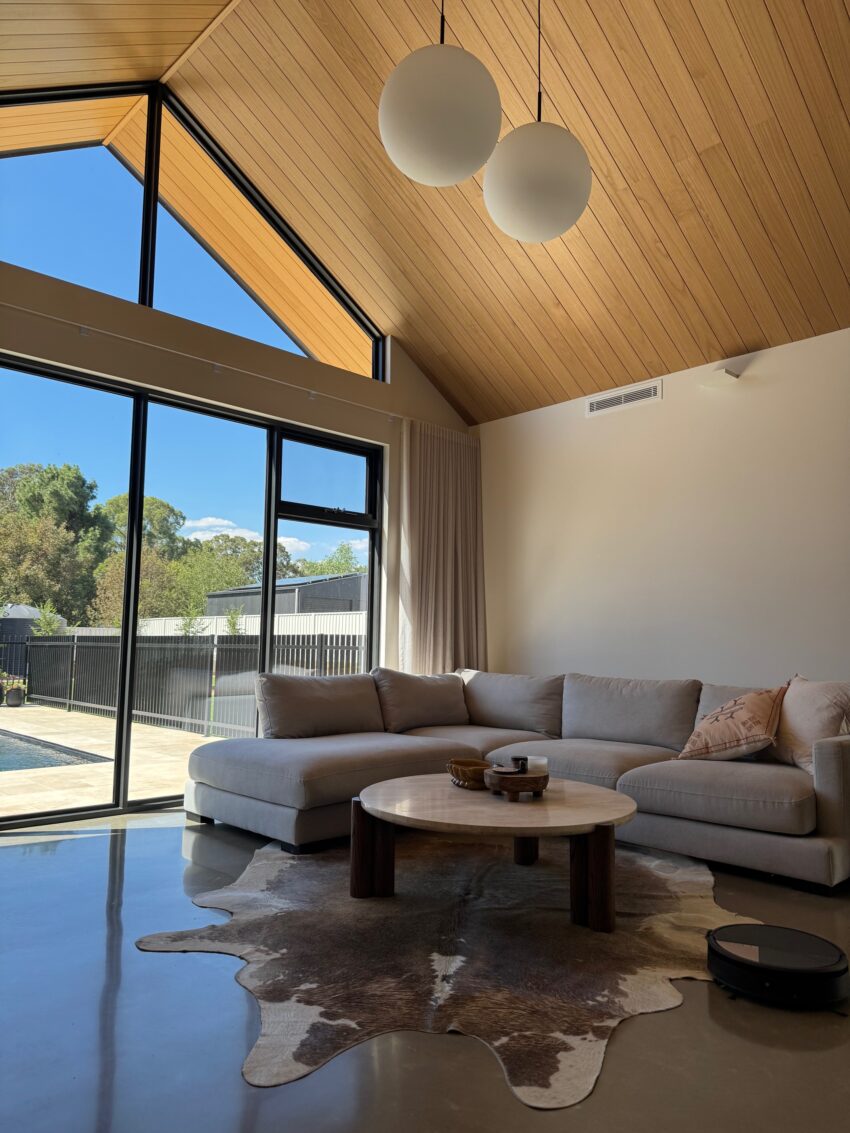
Think About Airflow
Another simple but powerful design tool is airflow.
When a home allows air to move through it easily, it can stay comfortable for much longer without relying on air conditioning.
This is often called cross ventilation, and it simply means allowing breezes to move from one side of the house to the other.
Things that help with this include:
• windows on opposite sides of rooms
• layouts that allow air to move through spaces
• ceiling fans to keep air circulating
• outdoor openings that capture breezes
It sounds simple, but it makes a noticeable difference on warmer days.
Insulation Is Still One of the Best Investments
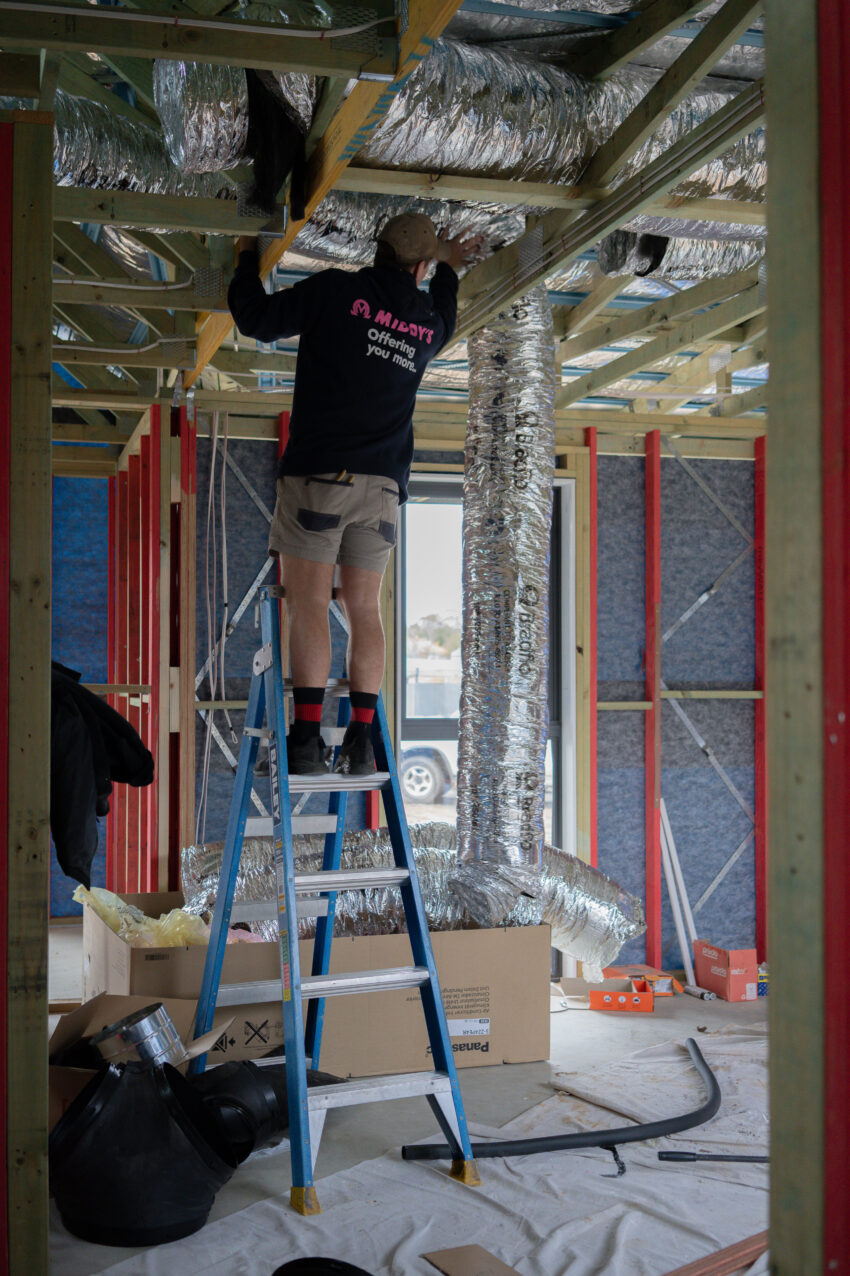
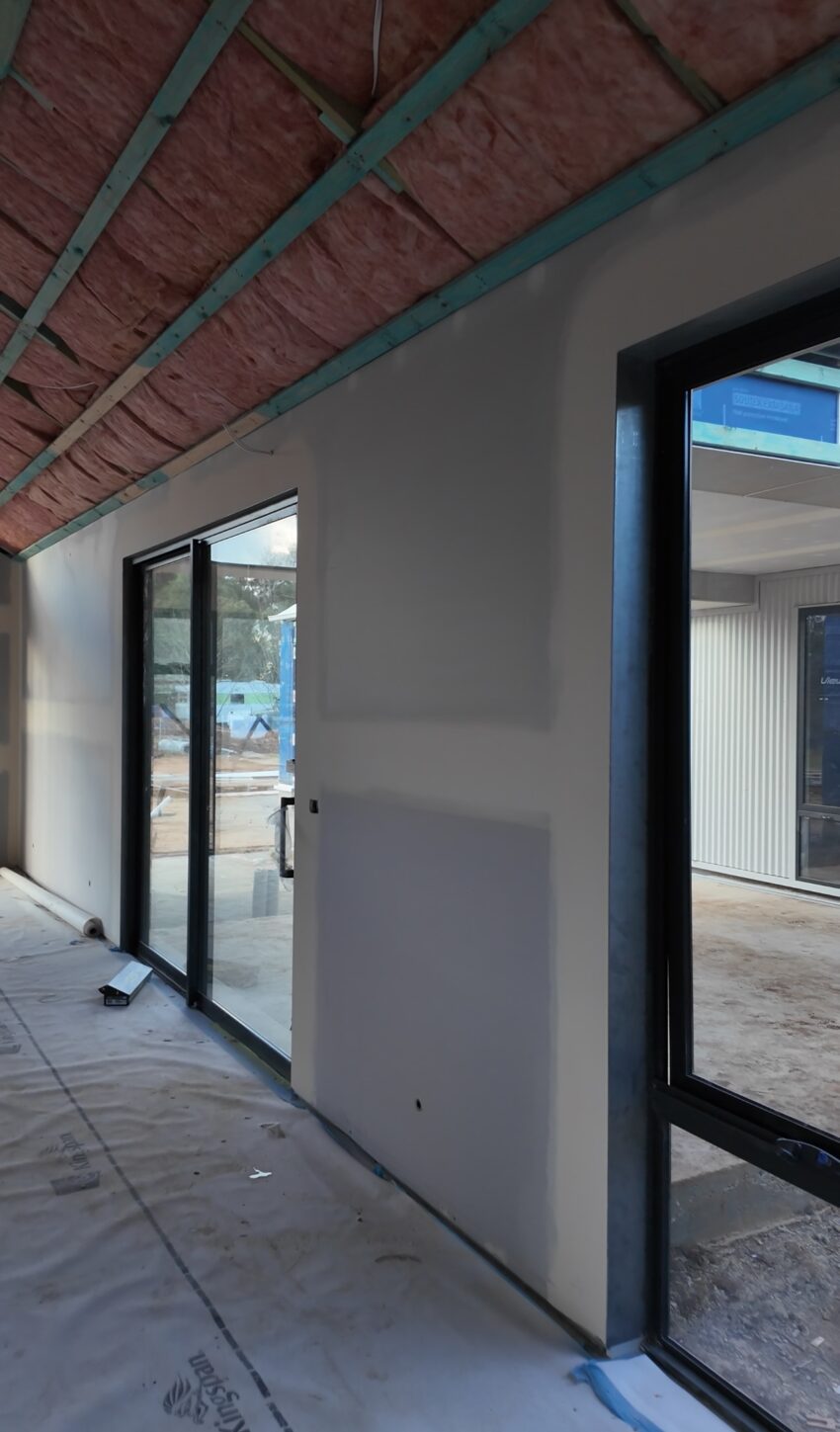
Insulation is not very exciting, but it is one of the most important parts of an energy efficient home.
Good insulation helps keep heat out in summer and keeps warmth inside in winter.
The key areas are usually:
• ceilings
• walls
• floors depending on the construction
When insulation is combined with good design, the temperature inside the house stays much more stable.
Efficient Heating and Cooling Still Matter
Even well designed homes will still need heating and cooling at times.
But when the house is designed properly, those systems do far less work.
Many new homes in Australia are moving toward efficient electric systems like reverse cycle heating and cooling and heat pump hot water. When combined with good passive design, they can run very efficiently.
The Biggest Lesson
The biggest lesson with energy efficient homes is this.
Most of the important decisions happen before the slab is poured.
Orientation, layout, window placement and shading all shape how the house performs for decades.
Once the house is built, those things are very hard to change.
So if you are planning a new build, it is worth slowing down and thinking about these fundamentals. They have a bigger impact on comfort than most people realise.
And the best part is, many of them cost very little. They just require good planning.