From someone who has just built a super dooper energy efficient house Learn the ten most common energy efficiency mistakes in new builds and renovations. Discover practical solutions from someone who built an 8.3-star energy efficient home. Avoid costly regrets and create a home that stays comfortable year-round. When people think about energy efficiency in …
From someone who has just built a super dooper energy efficient house
Learn the ten most common energy efficiency mistakes in new builds and renovations. Discover practical solutions from someone who built an 8.3-star energy efficient home. Avoid costly regrets and create a home that stays comfortable year-round.
When people think about energy efficiency in a new build or renovation, solar panels, trendy appliances, and clever gadgets often come to mind. The reality is the biggest wins – and the most expensive regrets – are decided long before the finishing touches. Mistakes made during construction, from insulation under the slab to window placement, shading, and appliance choice, are difficult to fix once the house is completed.
Based on my experience building an 8.3-star energy efficient house, here are the ten most common mistakes and what you can do to avoid them.
1. Relying on solar panels alone
Solar panels are fantastic, but they cannot compensate for a poorly performing house. Many homeowners assume solar alone equals energy efficiency, but heat loss in winter or overheating in summer can make the energy panels generate almost useless.
What I did
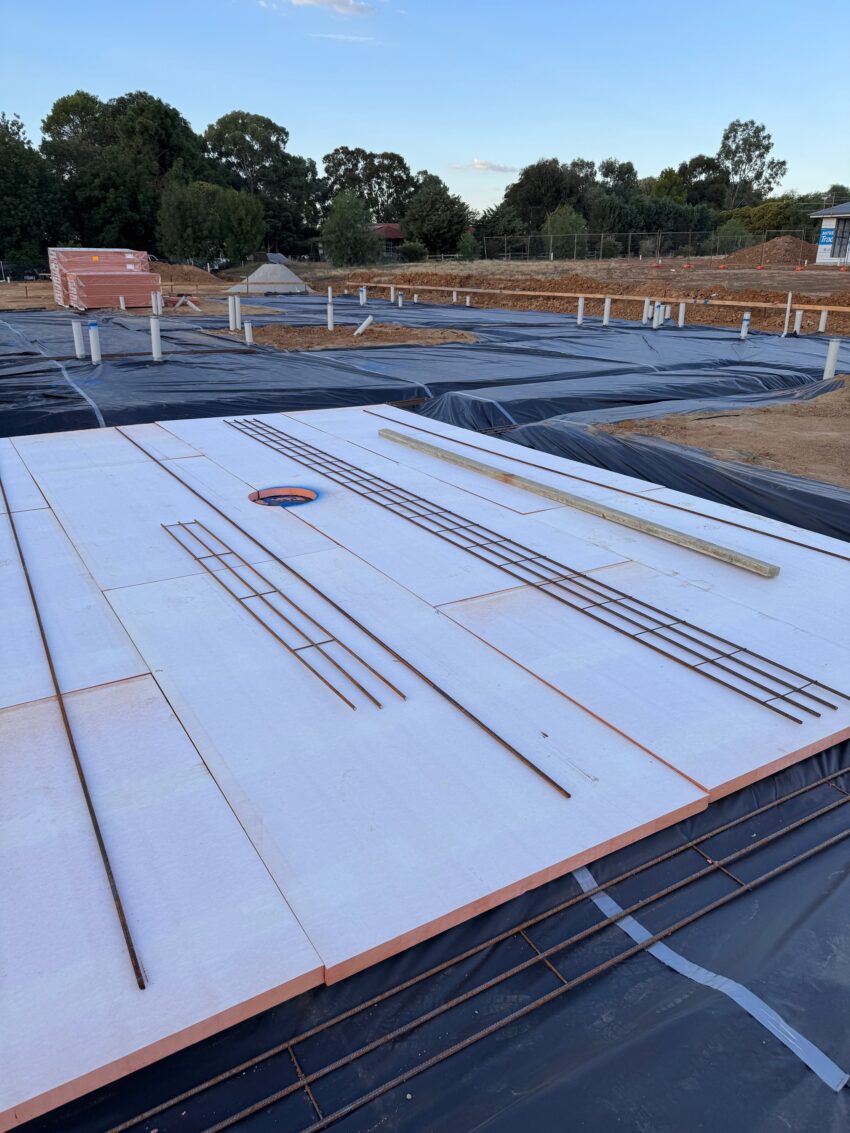
I fully insulated my floors under the slab and used high-performance insulation for all walls and ceilings before installing solar panels. This ensured the energy the panels produced was actually used efficiently.
Why it matters
Energy efficiency starts with the structure. Solar works best after insulation, airtightness, and shading are properly installed. Otherwise it is a costly band-aid.
2. Poor window orientation
Windows can make or break comfort. West-facing panes in summer can overheat rooms, while poorly insulated north-facing windows in winter can leave spaces cold. Even small mistakes lead to higher energy bills and discomfort.
What I did
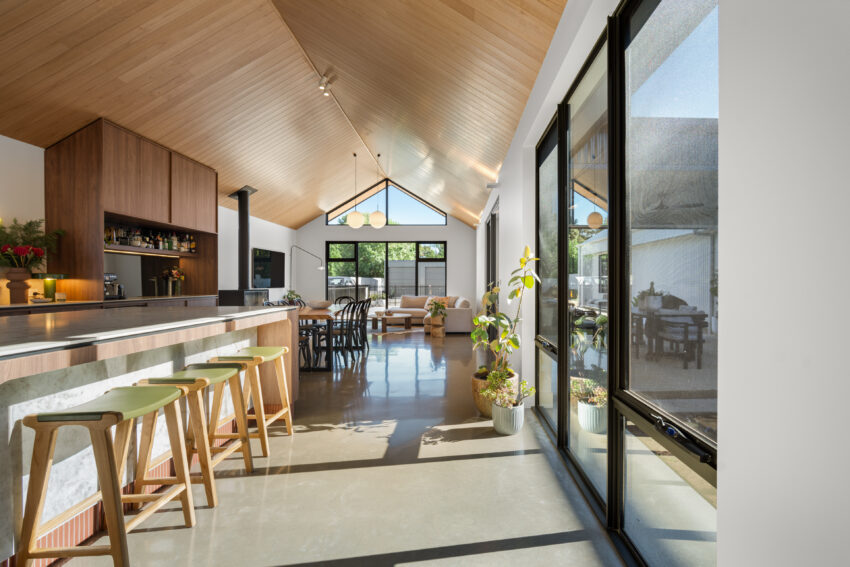
I mapped window placement carefully to follow the sun path. Large north-facing windows capture winter sun while wide eaves block summer heat. Double-glazed low-e windows in key areas combined with under-floor insulation stop heat escaping.
Why it matters
Correct window orientation combined with proper insulation and airtight construction ensures your home stays naturally warm in winter and cool in summer.
3. Under-insulating the house
Under-insulating is more common than most people realise. Missing batts, thin materials, or no under-slab insulation are costly mistakes that affect comfort immediately.
What I did
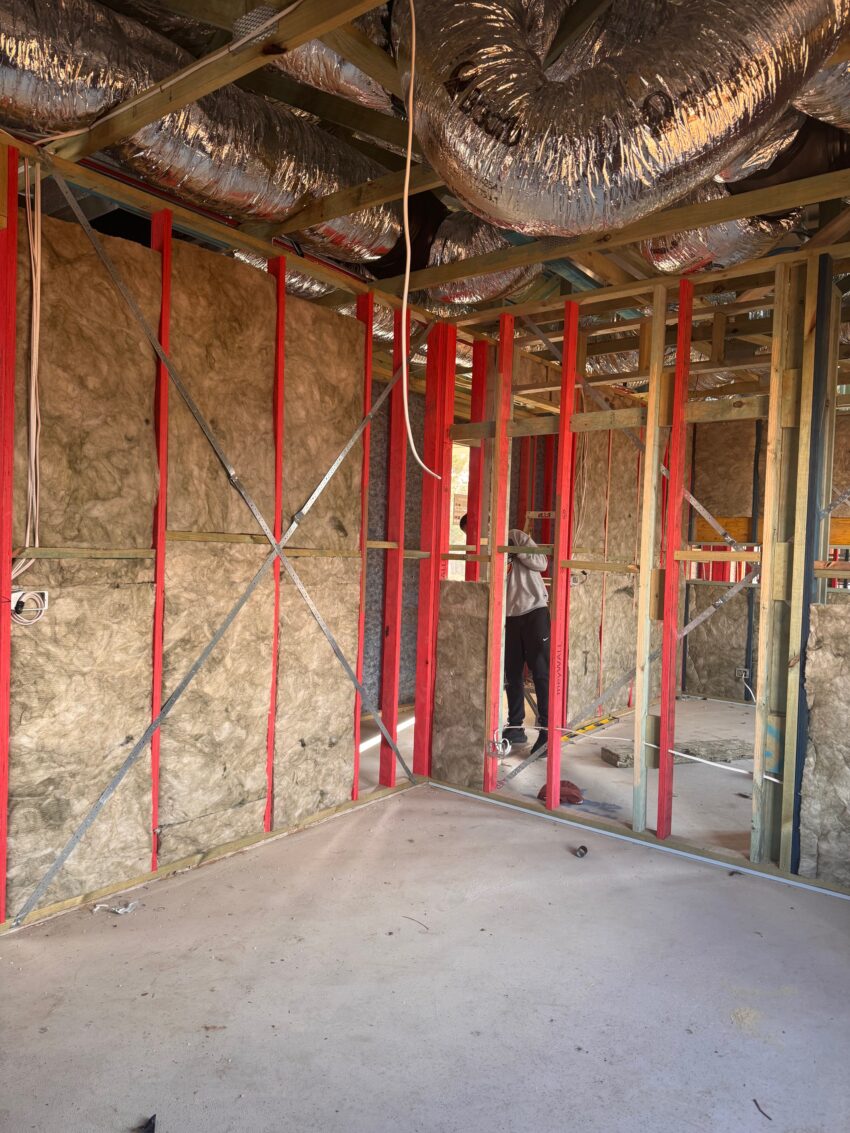
I installed high-performance insulation everywhere — under the slab, under floors, in walls, and ceilings. The difference in floor temperature, room comfort, and energy efficiency was remarkable.
Why it matters
Proper insulation stabilises indoor temperatures year-round and reduces reliance on mechanical heating and cooling. It is one of the smartest investments you can make early on.
4. Ignoring airtightness
Tiny gaps around doors, windows, or vents can undo months of careful planning. Many homeowners assume drafts are normal, but even small leaks massively reduce comfort and energy efficiency.
What I did
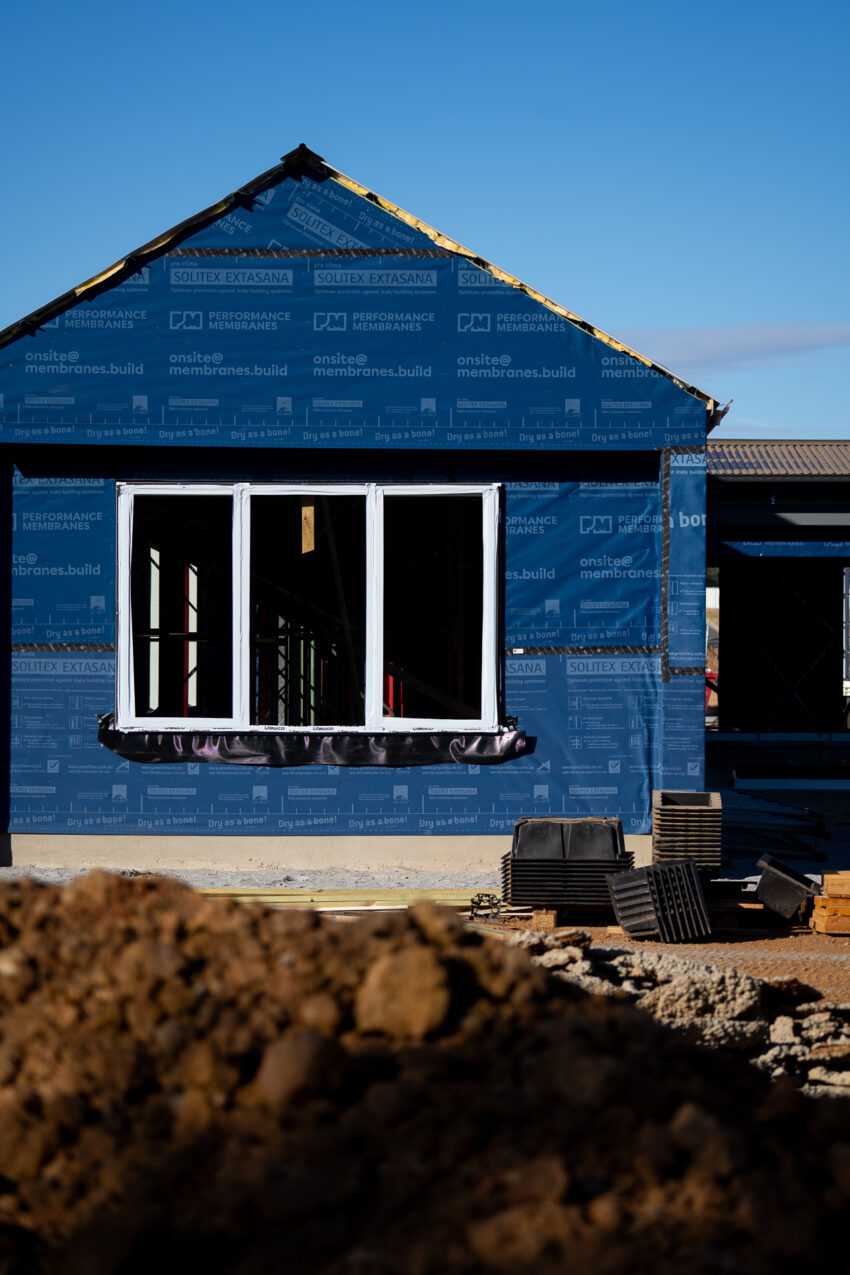
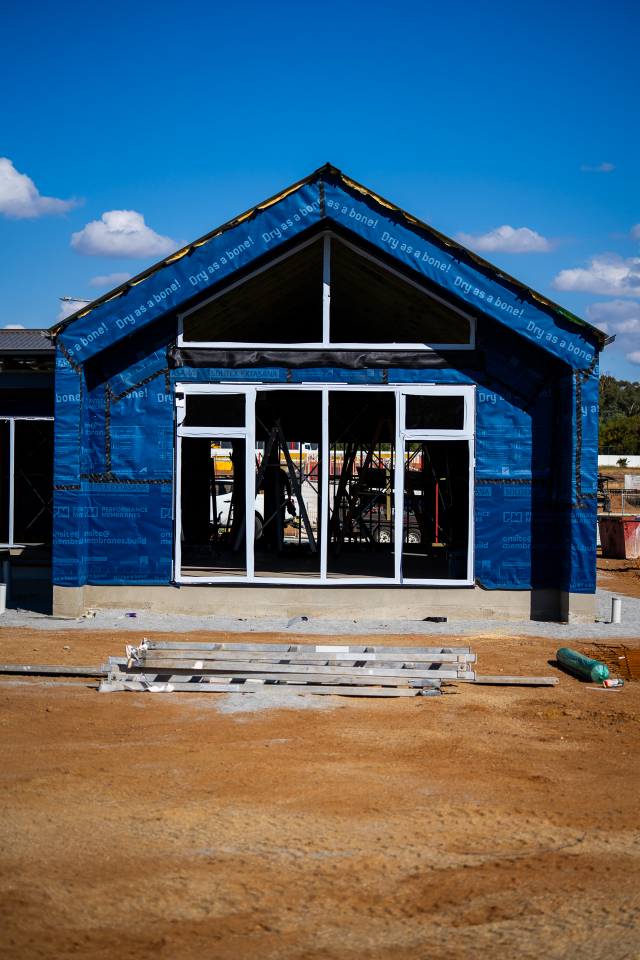
I used Pro Clima wrap for the entire envelope. Every door, window, and penetration was sealed with high-quality tapes and gaskets. Under-floor insulation and slab sealing were also made airtight to prevent heat loss from the bottom up.
Why it matters
Airtightness combined with insulation and shading keeps your home comfortable with far less energy use. It is one of those invisible wins that has a big day-to-day impact.
5. Focusing on windows without thinking about the whole house
Windows are often chosen for aesthetics rather than performance. Without proper insulation and airtight construction, even the best windows cannot prevent heat loss or draughts.
What I did
I paired double-glazed, high-performance windows with under-slab insulation, sealed floors, and airtight construction. Every window became part of a system, helping keep rooms warmer in winter and cooler in summer.
Why it matters
Windows are just one part of the energy puzzle. Thinking from the bottom up with floors, walls, ceilings, and shading makes them effective, not just decorative.
6. Skipping external shading
Unshaded windows allow heat straight into your home, increasing reliance on air conditioning.
What I did
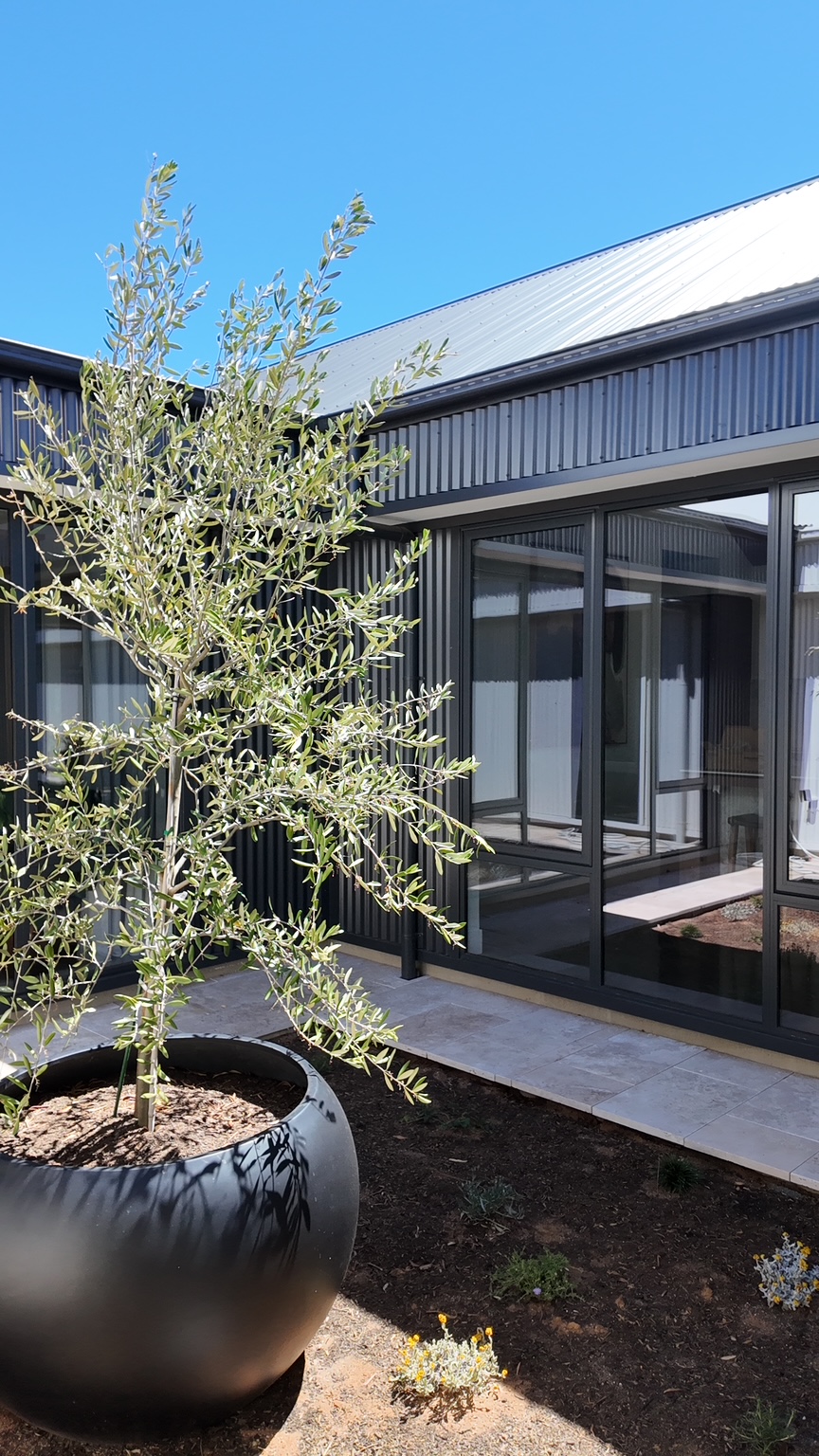
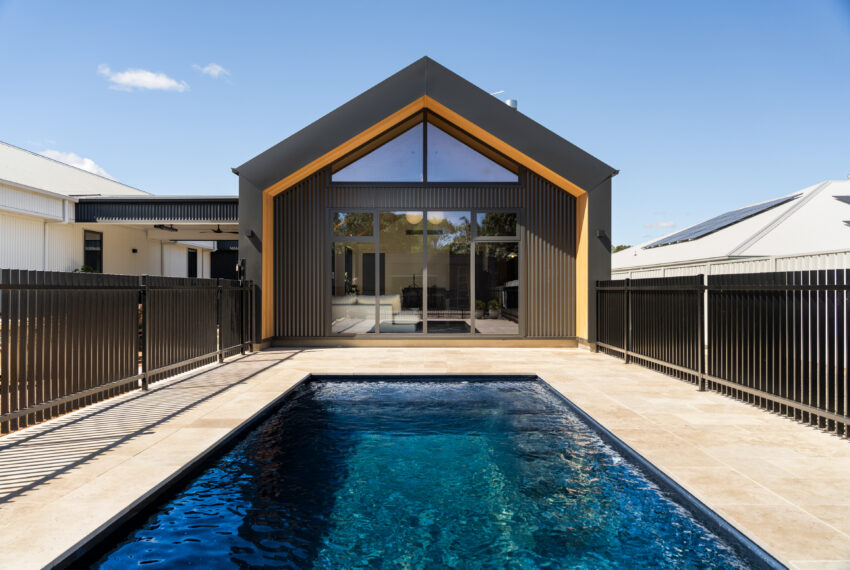
Wide eaves, strategically positioned alfresco, and an H-shaped plan shielded windows from summer sun. Skylights were placed only on the east. Together with insulated floors, airtight walls, and thermal mass, the home stays naturally cool.
Why it matters
External shading is essential for comfort and efficiency and dramatically reduces cooling demand when combined with other design strategies.

7. Heating and cooling the entire house
Many new builds air-condition all rooms, even unused ones, wasting energy. This is especially inefficient if floors are not insulated or there are leaks.
What I did
My home uses zoned heating and cooling. Only occupied rooms are used, saving energy while maintaining comfort. With under-floor insulation and airtight construction, efficiency is maximised.
Why it matters
Zoning reduces unnecessary energy use and works best in a holistic design approach.

8. Forgetting thermal mass
Lightweight homes heat and cool quickly, causing temperature swings. Without thermal mass, insulation and shading cannot perform at their best.
What I did
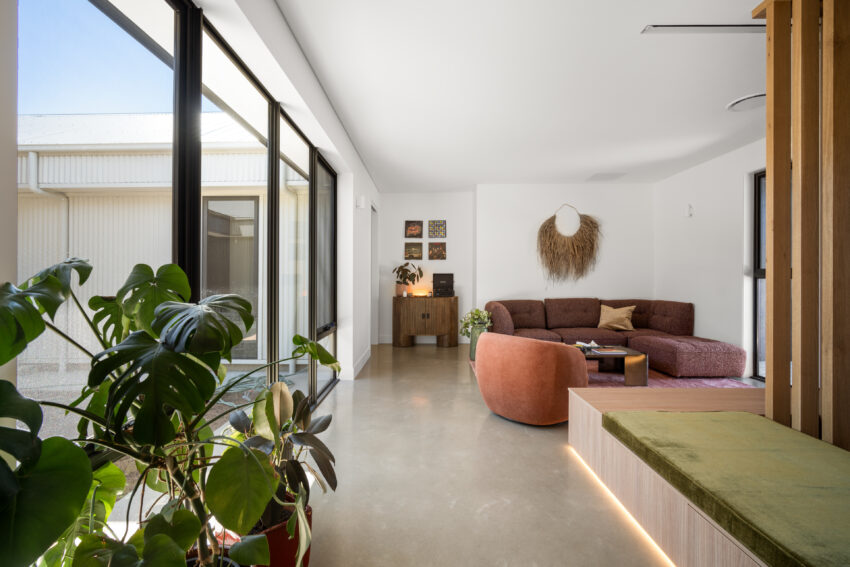
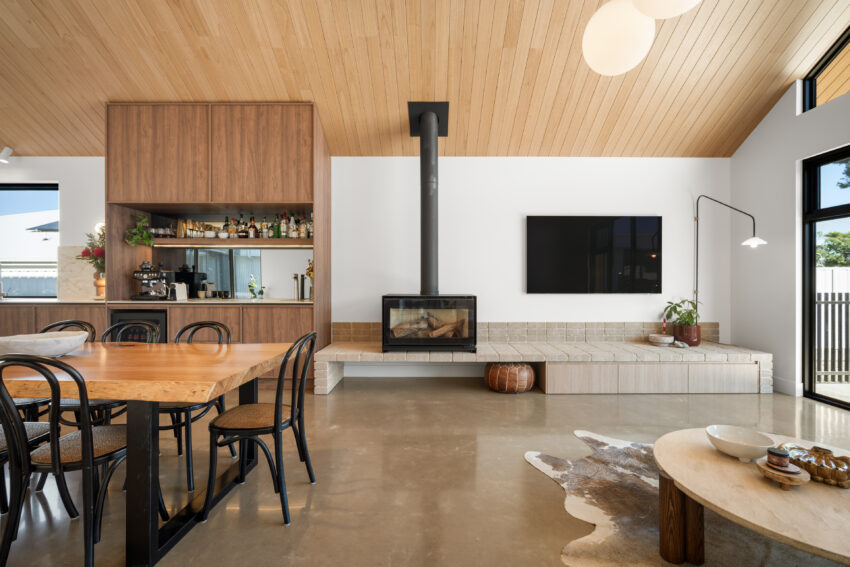
Polished concrete floors store heat in winter and stay cool in summer with shading from sheer curtains. Thermal mass smooths temperature changes while complementing insulation and shading. Bedrooms have carpets for comfort.
Why it matters
Thermal mass is the home’s natural thermostat. It supports passive heating and cooling and is most effective when combined with insulation and airtightness from the ground up.
9. Trying to fix efficiency at the end
Many homeowners try to improve efficiency after construction. Adding insulation, sealing gaps, or upgrading systems at this stage is expensive and limited in impact.
What I did
Efficiency was planned from day one. Every layer including slab, floor, walls, windows, shading, and appliances was integrated into a complete system.
Why it matters
The biggest efficiency gains come early. Retrofits rarely match the benefits of getting everything right during construction.
10. Ignoring appliance efficiency
Even the most efficient home loses performance if appliances are energy guzzlers. Fridges, ovens, and water heaters quietly add to energy use every day.
What I did
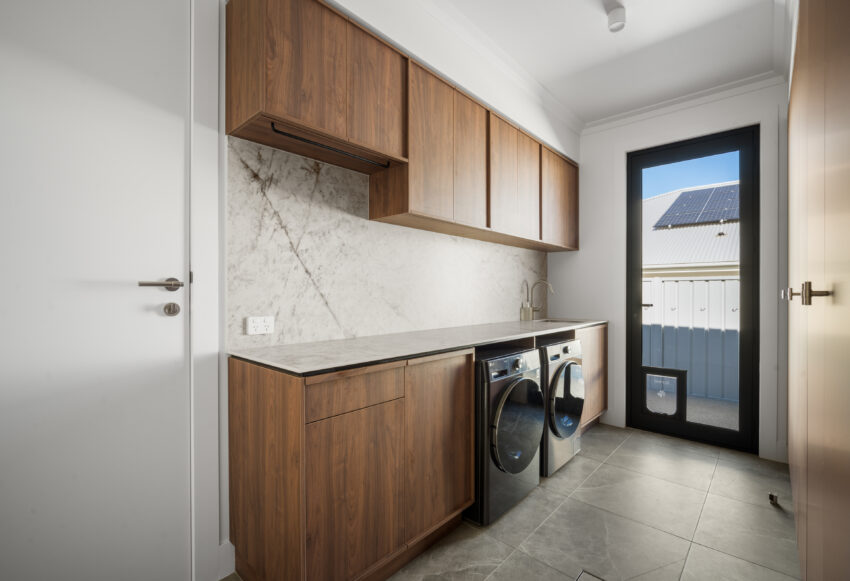
Every appliance in my build was chosen for energy performance. Combined with insulation, shading, thermal mass, and airtightness, they help the home operate efficiently with minimal waste.
Why it matters
Appliances are part of the system. Efficient choices lower running costs and ensure all other energy measures work together.
Final thoughts
Energy efficiency is a bottom-up strategy. Floors, insulation, walls, windows, shading, thermal mass, and appliances all work together to create comfort and reduce energy use. Small mistakes early on such as under-floor insulation gaps, poor window orientation, or ignoring airtightness can compound into bigger issues later.
If you are building or renovating, plan your home as a complete system from day one. Consider each layer carefully from slab to ceiling and your house will perform beautifully for decades.